On the eve of the Super Bowl, Black Freedom Fund (BFF) hosted a powerful gathering at the intersection of culture, capital, and community power. The Playbook brought together cultural icons, policymakers, and movement leaders to reflect on the enduring struggle for Black liberation and what it will take to carry that work across generations.
Building for the Long Term
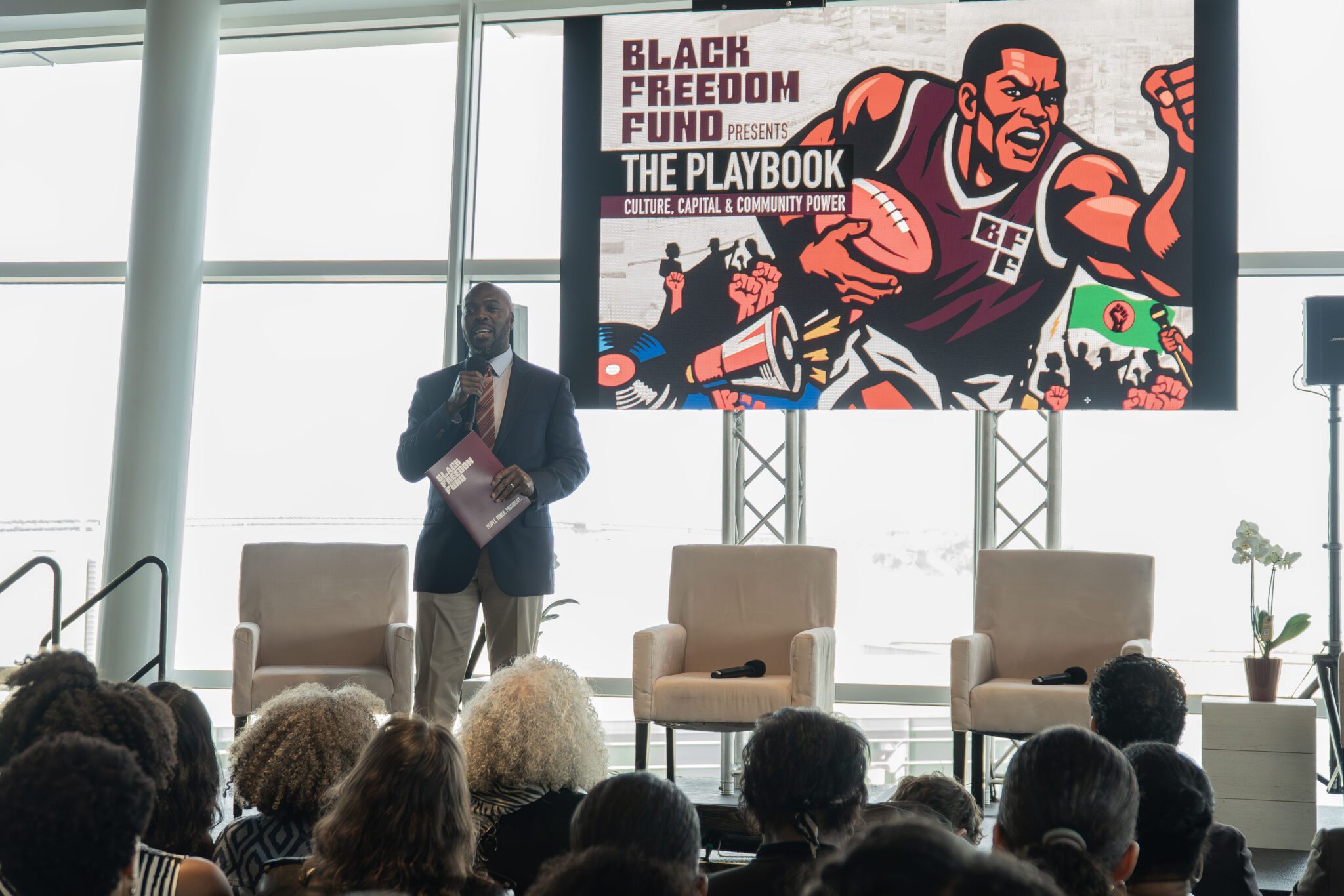
BFF President & CEO, Marc Philpart opened the program by grounding the moment in urgency and responsibility, naming the overlapping crises shaping this moment – from political violence and state suppression to climate catastrophe and economic instability. These are not isolated challenges. They are structural.
Reflecting on BFF’s mission and work, Marc shared: the power of an institution that is for us and led by us is that it is accountable to Black communities and resources the work that strengthens us collectively.
Each of us, he emphasized, has a role to play in carrying this work forward.
Turning Influence Into Impact
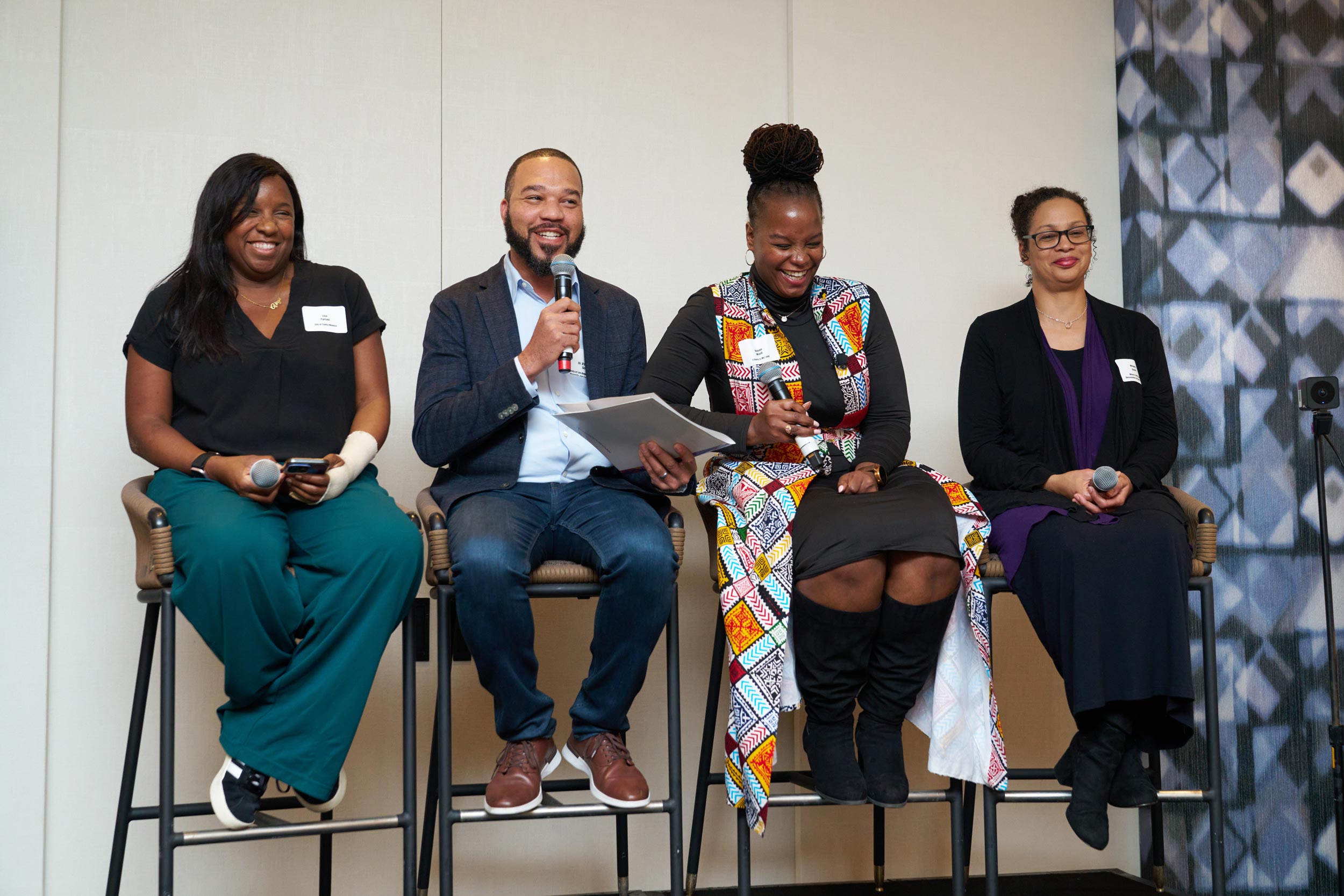
In the Turning Influence Into Impact panel, journalist Jemele Hill moderated a conversation with NFL legend Marshawn Lynch, renowned music executive Chaka Zulu, and actor, writer, and producer Azie Tesfai about what it means to translate visibility into meaningful impact.
Chaka Zulu reflected on being raised in a family rooted in Pan-Africanism and community organizing. Influence, he noted, is not enough on its own; it must be grounded in authenticity and service. “If everybody does a little,” he reminded the audience, “nobody has to do a lot.”
Azie spoke about controlling her narrative as a first-generation Eritrean American. For her, expanding how Africa is represented—rejecting monolithic portrayals and lifting up the continent’s complexity, beauty, and diversity—and owning the stories she tells has been central to her work. Ownership, she emphasized, creates the freedom to act with integrity.
Marshawn underscored the importance of staying rooted in the community that shaped him. Even at the height of his NFL career, he refused to separate his platform from his values. The work, he shared, is never done alone; it happens in partnership with family, community, and organization.


The Long Game of Freedom
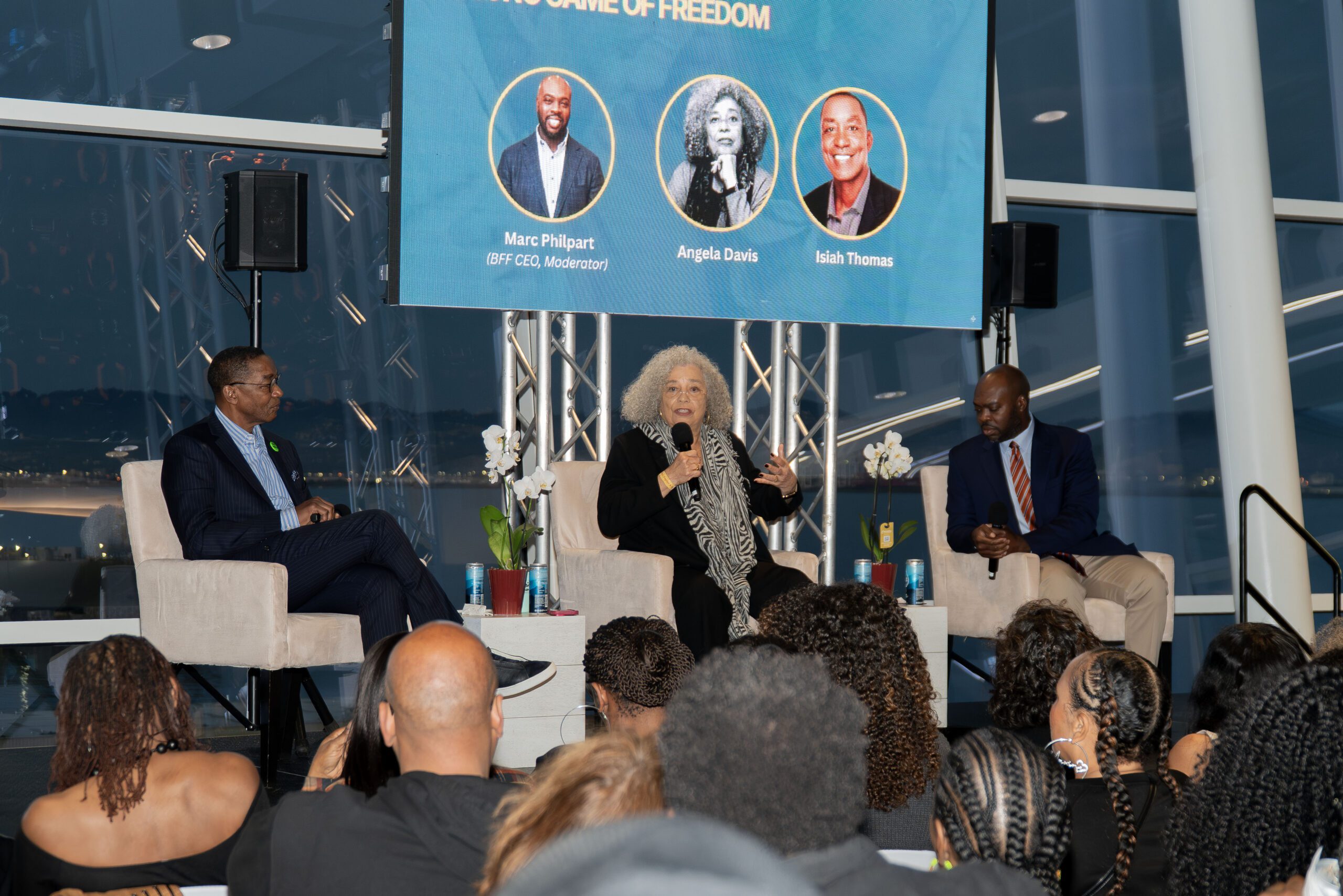
The evening continued with The Long Game of Freedom, a fireside chat moderated by Marc Philpart featuring renowned activist, scholar, and movement leader, Angela Davis and NBA Legend and entrepreneur Isiah Thomas. The conversation centered on endurance, democracy, and the role philanthropic institutions play when freedom is under threat.
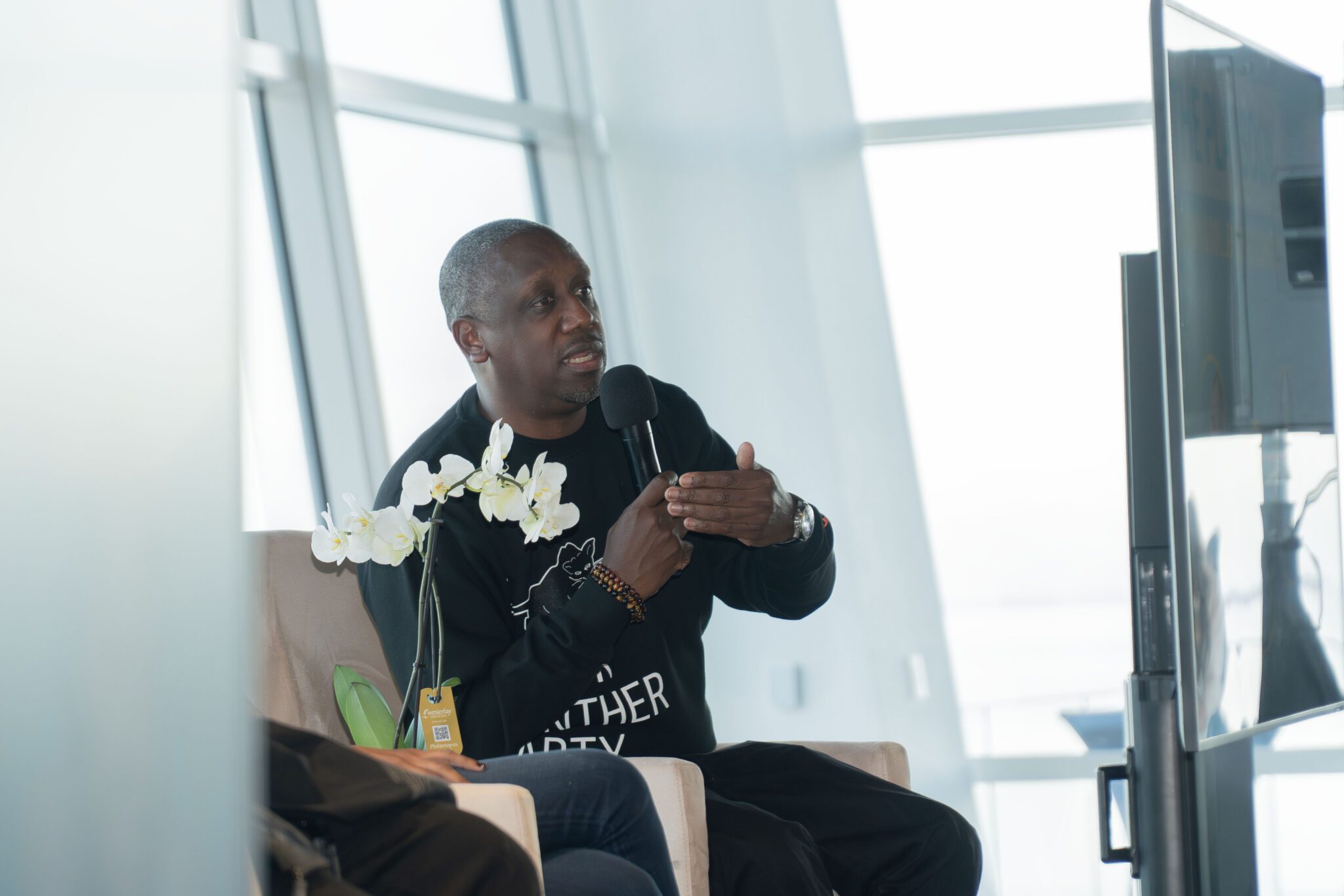
Isiah Thomas reflected on the difference between moments and systems, emphasizing that while protests can spark change, the building and rebuilding of institutions and structures determine whether that change lasts. We are not far removed from Jim Crow, he reminded the audience. The responsibility now is to keep pushing forward and leave doors open for those coming behind us.
Angela Davis situated today’s struggles within a centuries-long fight for Black liberation and democracy. Black History Month, she noted, is not a symbolic observance; it is a reminder that today’s work is inseparable from the sacrifices of previous generations.
Both speakers underscored the urgency of this political moment and the necessity of institutions capable of withstanding election cycles, backlash, and attempts to roll back hard-won gains. Durable institutions are essential to sustaining movements, particularly when democracy itself is under threat.
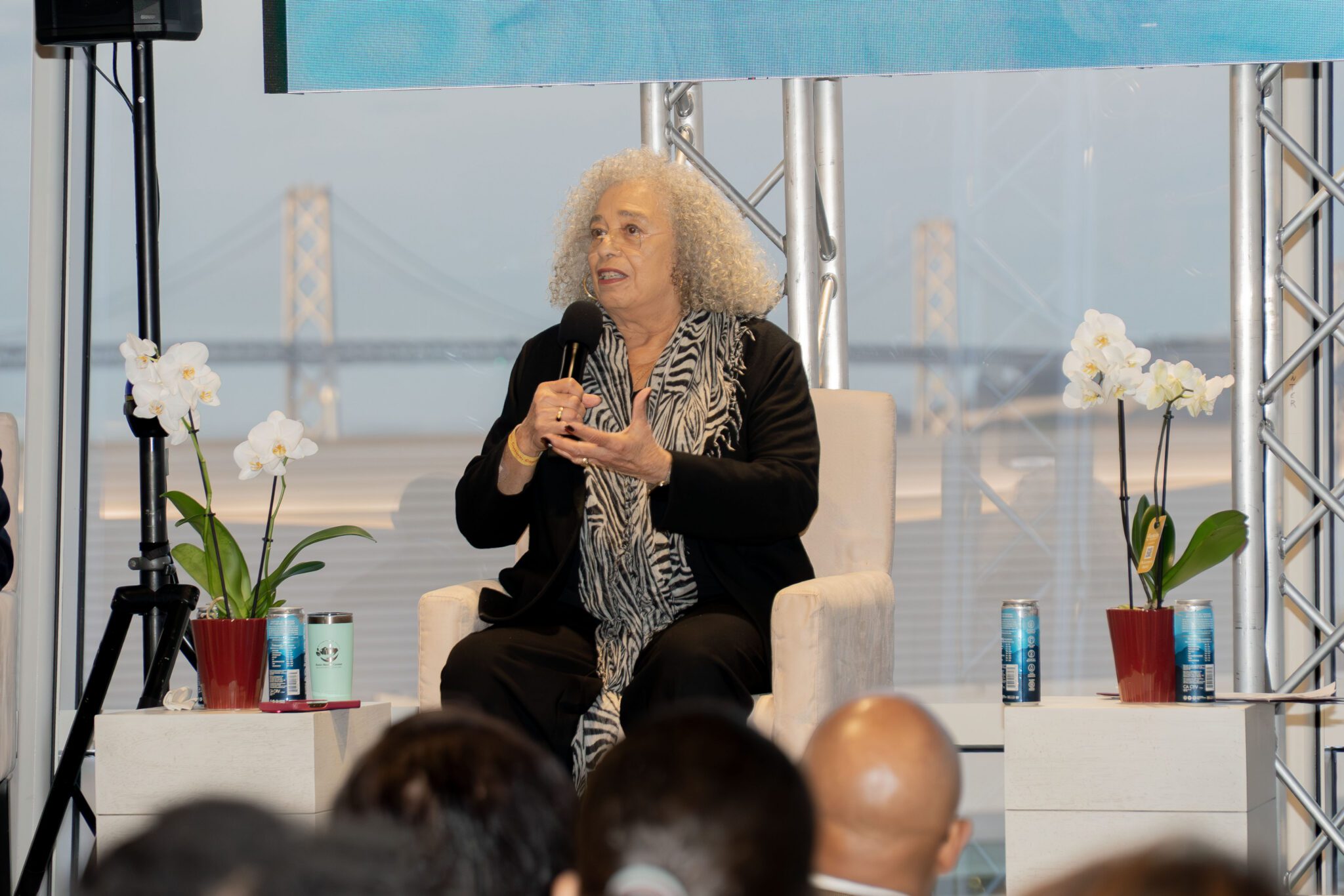
“We’re going to be okay. Not only will we be okay — we’re going to emerge as the victors in the struggle for democracy, justice, and freedom.”
“Being Black is an Act of Resistance”
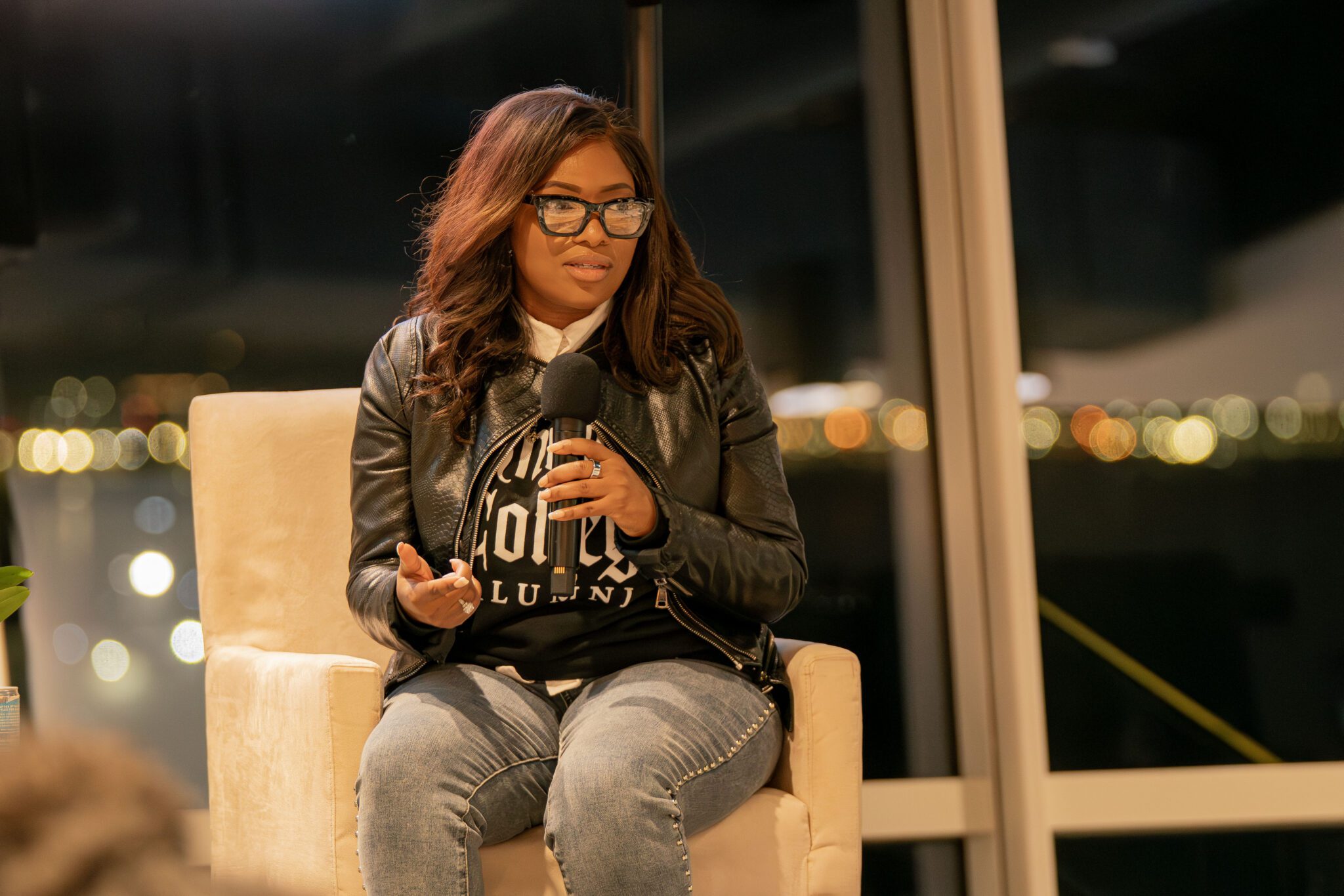
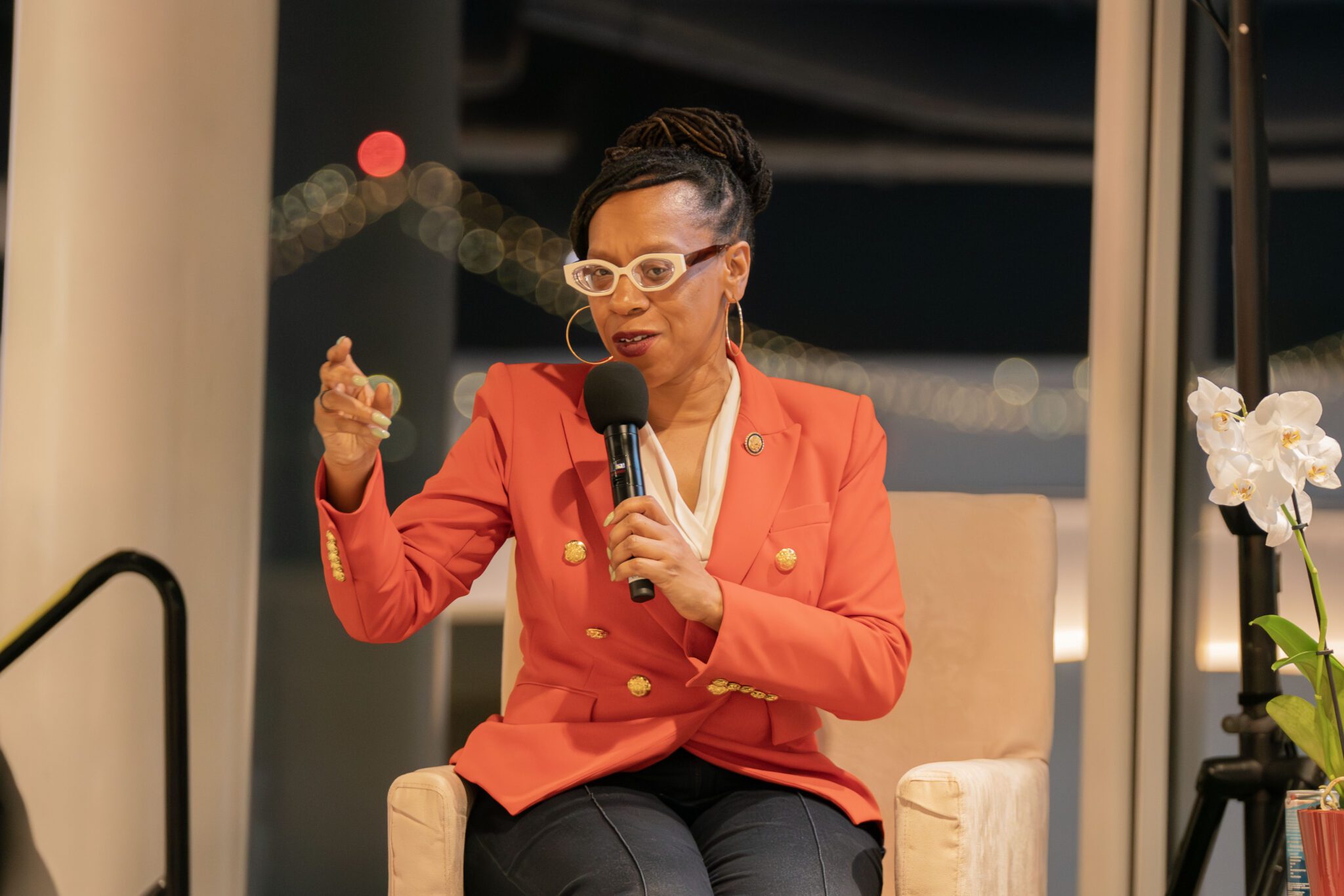
The program closed with Congresswomen Lateefah Simon and Jasmine Crockett, who named the moment plainly. “We are weary, but not weak,” Congresswoman Simon said, calling for full investment in the human rights infrastructure our communities deserve. Congresswoman Crockett named the courage required in this moment: “If you’ve ever asked yourself who you would’ve been back then,” she challenged, “ask yourself what you’re doing now.”
The event concluded with a performance by Sol Development, an Oakland based Hip-Hop, Jazz, and Soul collective who blend imaginative musicianship and messages of freedom.
Throughout the evening, one idea remained constant: movements require more than inspiration. They require structure. They require shared responsibility. They require institutions built to endure.
The Playbook made it clear that the fight for racial justice is legacy work. And sustaining it demands that all of us commit to the long game. Thank you to the speakers and attendees, and to all those doing the work to push this work forward for generations to come.
Share