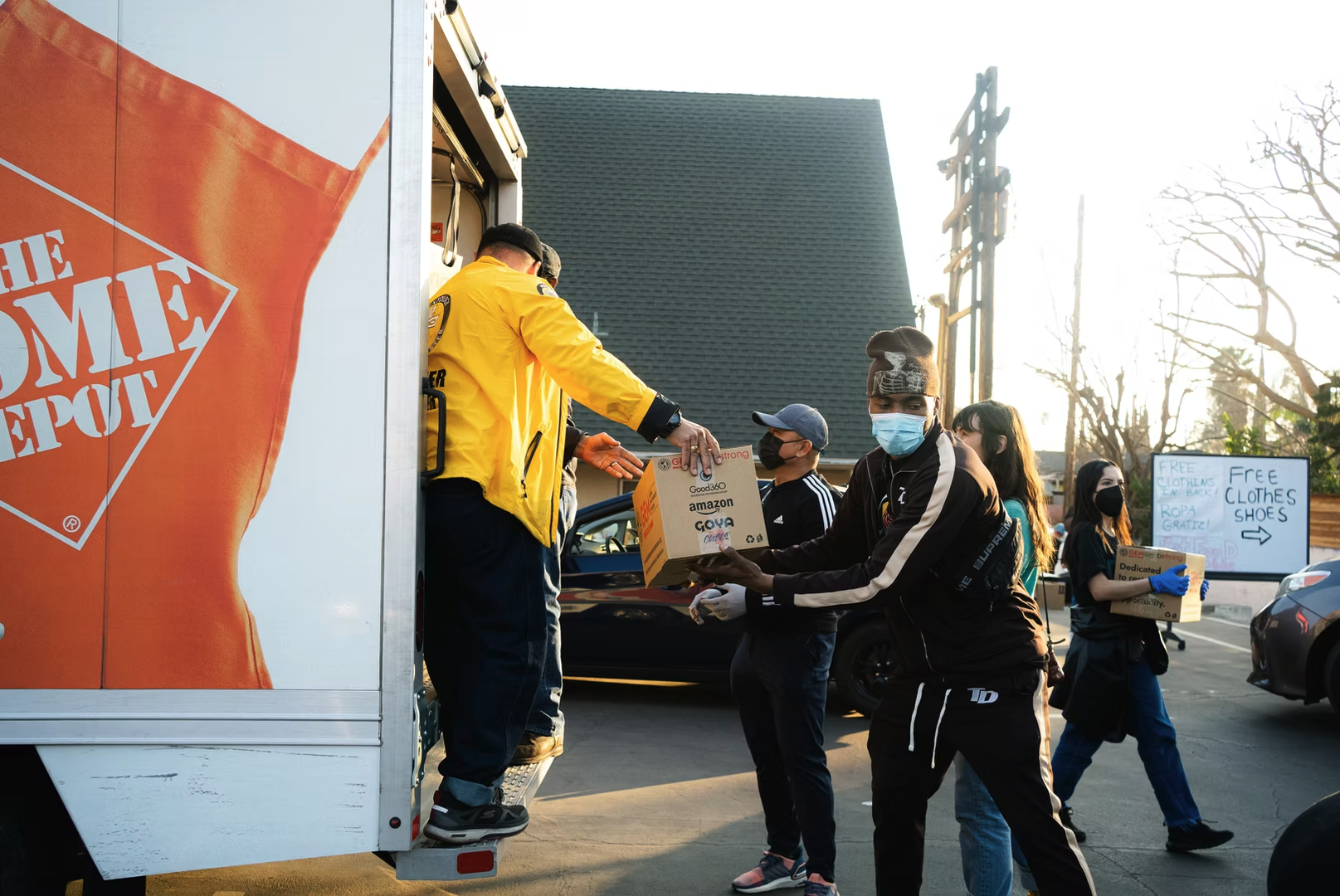
In 2025, Black Freedom Fund’s (BFF) Chinedu Valentine Okobi Sabbatical Program invested in rest, healing and joy for movement leaders impacted by the Los Angeles wildfire disaster.
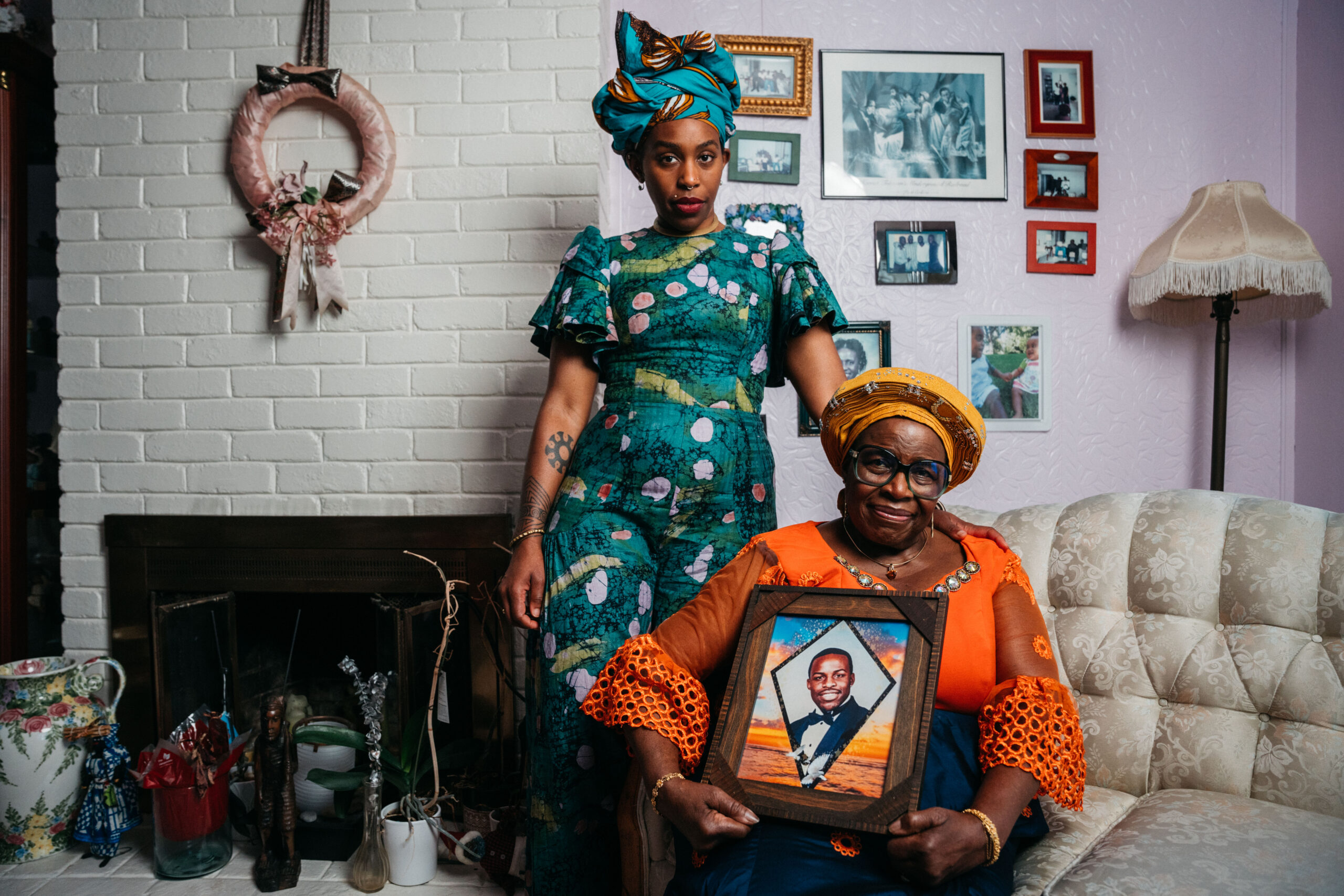
The sabbatical program is named after Chinedu Valentine Okobi, a beloved father, son, brother, poet, and Morehouse graduate who was killed at the hands of San Mateo County sheriffs in 2018. To honor his life and legacy, Chinedu’s family partnered with BFF to invest in rest, healing, and joy for movement leaders working to strengthen Black communities.
Each year since its launch in 2024, the sabbatical program has invited community leaders fighting for racial justice and Black liberation to apply for a grant to support their organization’s costs during their time away – a recommended minimum of eight weeks. Participants are encouraged to use the time to decompress, rejuvenate, and tend to their own well-being because they not only deserve it, but also because sustainable movements require it.
The sense of responsibility to care for others is especially strong among movement leaders. The demands of community justice work can become overwhelming over time if their own well-being is not intentionally supported. This means having space and time to be fully present, without worrying about the next grant proposal, campaign meeting, or community forum. For the 2025 participants, all of whom were directly impacted by the January 2025 LA wildfires, the sabbatical opportunity came as a welcome reprieve from the day-to-day pressure of leading their organizations while seeking stability for themselves and their families.
The 2025 program participants were:
- Shimica Gaskins, End Child Poverty CA
- Mark-Anthony Clayton Johnson, formerly of Dignity and Power Now
- Martin Gordon, Pasadena Community Coalition
The sabbatical participants reflected on their experiences and shared how they used their sabbaticals as a space to breathe and process an unimaginable loss.
Shimica Gaskins, End Child Poverty CA
“You can only grow if you have time to reflect, and often we just don’t have enough time to reflect.”
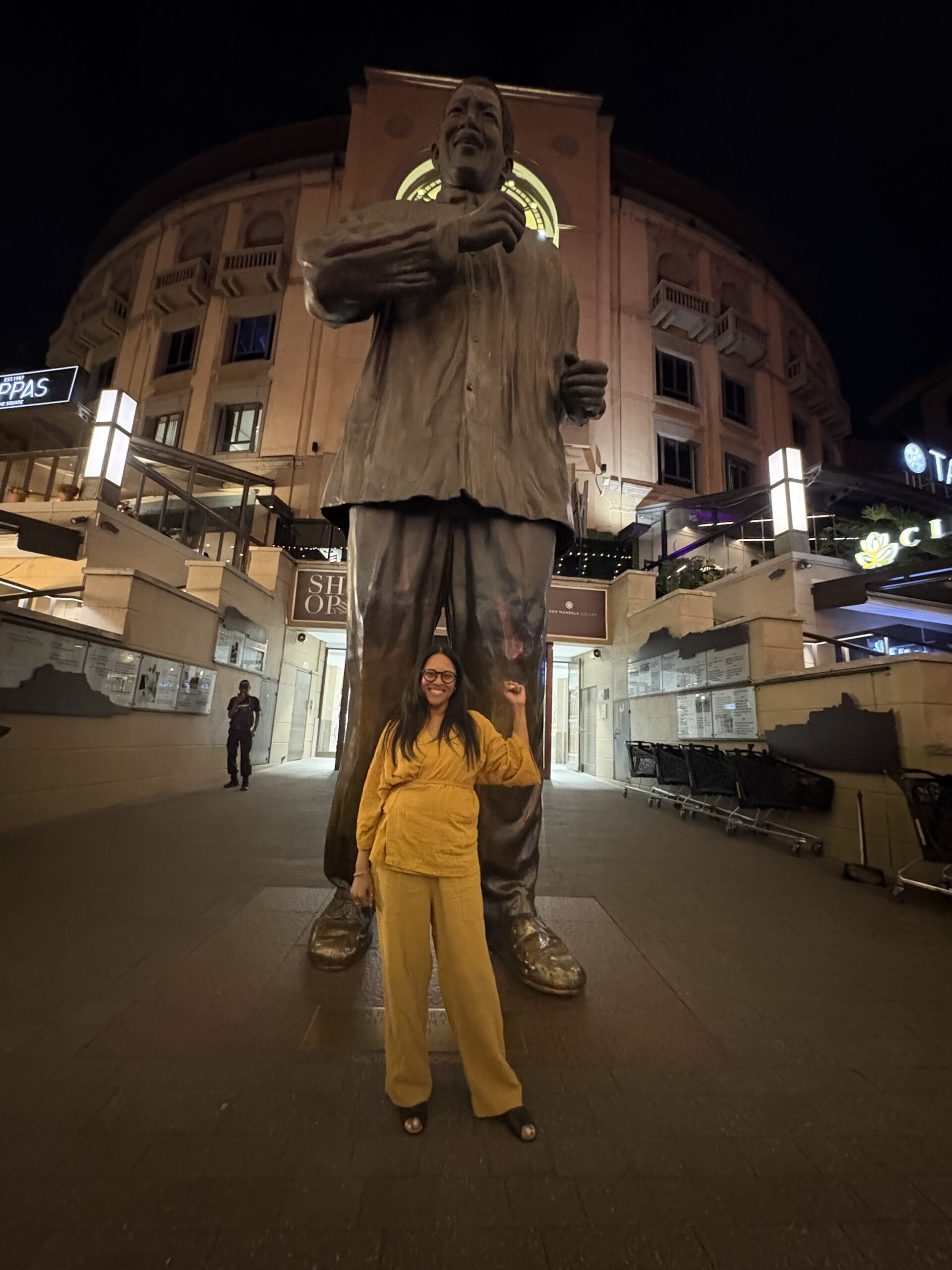
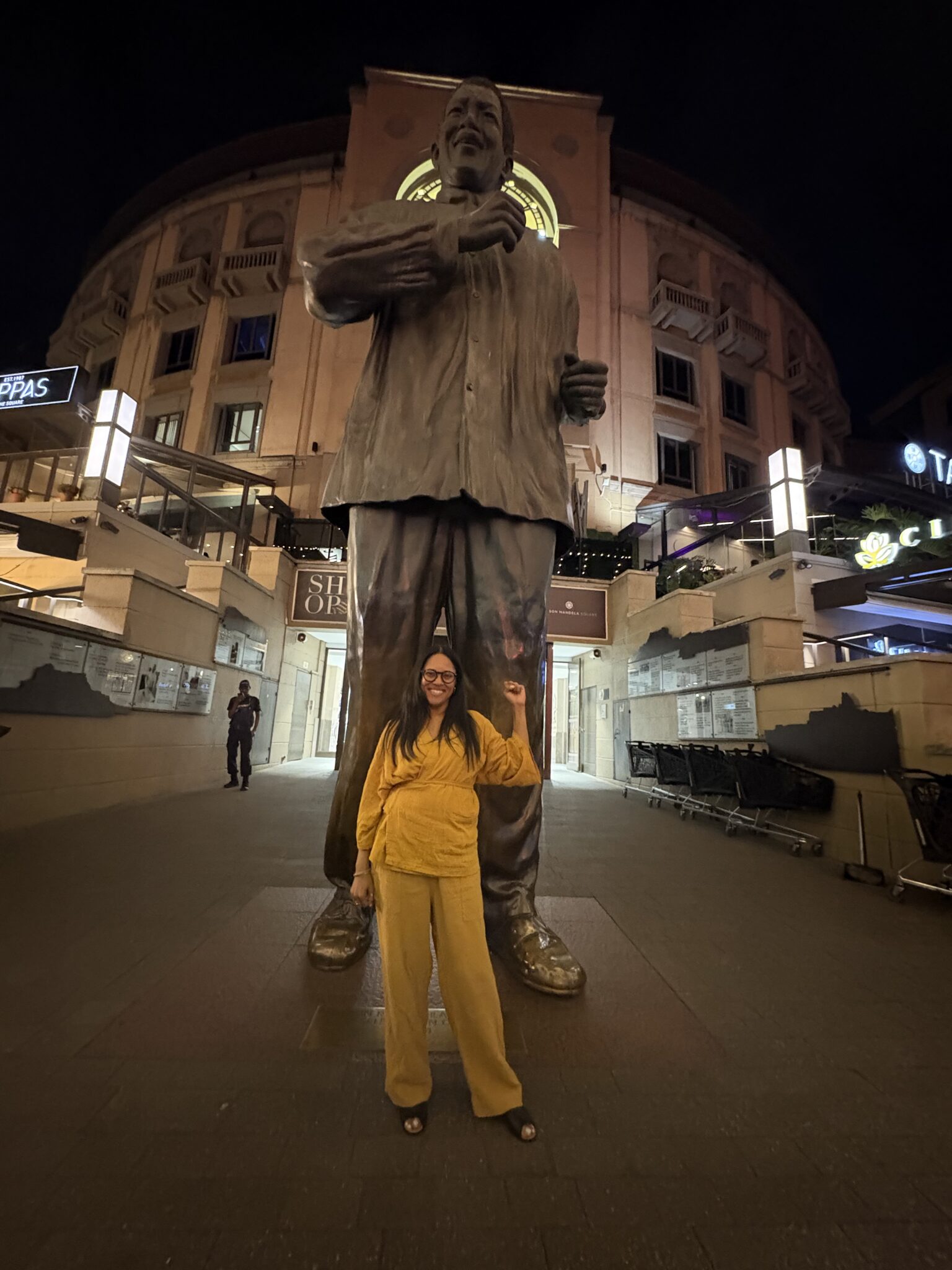
Shimica had planned to take her sabbatical at the end of 2025, but she found herself deeply engaged in early January in the fire anniversary conversations, joining other advocates to demand an investigation by the Attorney General’s office into disparate emergency responses for the Altadena community during the wildfires. By mid-February, she was finally able to begin her sabbatical, starting with a trip to South Africa with friends.
“One of the most memorable things about that trip was that I could really rest and decompress, not thinking much about anything except for myself. It was nice to know I was coming back with no expectations. That was very memorable, just to know what that felt like.”
Shimica visited Johannesburg and Cape Town to learn about the youth uprising and the history of anti-apartheid organizing. One part of her trip was to give back; she helped host workshops at a summer camp for kids to learn about social justice movements. Upon her return, she realized how much she needed time for herself. She opted to spend the majority of her remaining sabbatical at home, choosing rest over a packed social calendar. “When I finally put the brakes on and stopped making plans, I could feel it in my body. The physiological difference I felt from not being on, or not being required to do anything, was huge,” Shimica shared.
The impact of her sabbatical has been clear: she wants to share what she learned in ways that help sustain the next generation.
“The big shift for me was understanding that this era of my career right now is about training up good leaders. That’s what I care most about. Everyone on my team has lived experience, so this work is very personal to them. I have to model for them how to engage in self-care work. I can’t just say it; I have to really do it myself.”
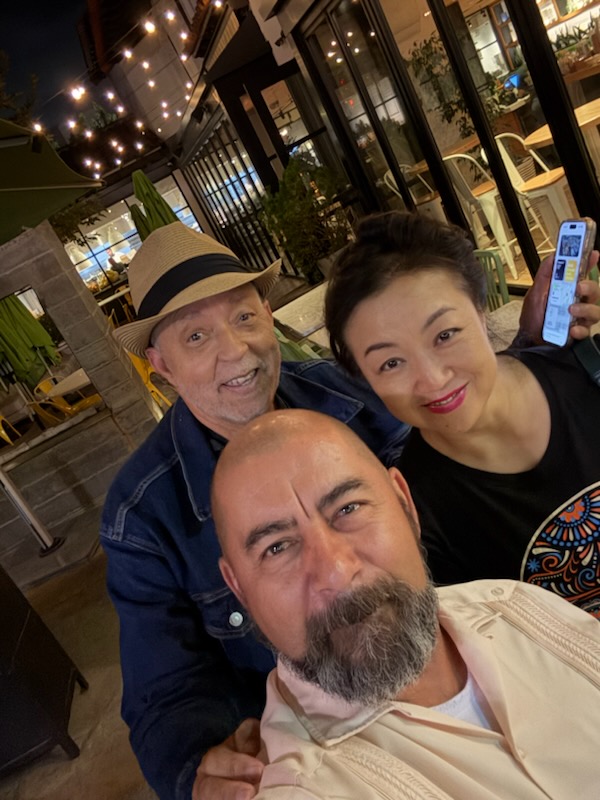
Martin Gordon, Pasadena Community Coalition
“My dad used to say every so often to take inventory of myself; not of other people but of myself. That’s what I did. The reflection I was able to do was really valuable.”
Martin Gordon has remained a tireless advocate for his community since his activism with the Black Panther Party in the 1970s. After losing his family home to the fire and helping other survivors in the immediate aftermath, he resolved to make time for himself.
“I’ve taken some time where I feel absolutely free in the past, and I wanted that for myself for this sabbatical. So that’s how I started. I made sure for the first ten days I had no commitment for anything but to wake up in the morning and be happy.”
Martin spent those first ten days playing video games and yoga on his Wii, playing pickleball, and hanging out with friends. He banned himself from watching the news and discussing politics or work. He was squarely focused on fun. Then he went on a trip that would require him to engage in important work—but also would bring him great joy.
He traveled to Osaka, Japan, for the U.S.-Japan Sister Cities Summit, where he represented his community and educated people from all over the world about the impact of the LA wildfire disaster. “The people in Japan were so accommodating and curious about Black Altadena. I got to meet people at the conference from Africa and all over the world. I got to experience that camaraderie and see how people around the world care about our community. We are no longer this small community of Altadena; we are a part of a global community.”
Martin sees himself as a citizen of the world even more than before. The sabbatical gave him ample time to reflect on that and on Black power building from a global perspective. He knows his work is far from done, but is grateful for the time to focus on joy and the feeling of being free.
“I think it changed me in this way: there is no rest for the weary. You take time out, you refresh, but you don’t rest. I will never fully rest because I fear I won’t be doing the job as a community leader or meeting the expectations of my ancestors.”
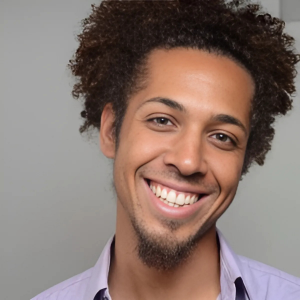
Mark-Anthony Clayton Johnson, Former Co-Executive Director of Dignity and Power Now (DPN)
“There’s nothing compared to, during really tense moments, something giving you a moment to relax your shoulders a bit, so you can think clearly and coordinate clearly, and that’s what it was.”
In 2024, Mark-Anthony and DPN helped lead voter mobilization work throughout the year, including in his own community of Altadena. The build-up to the November elections was fierce and exhausting, as consequential ballot measures were put forth that would have major impacts on low-income communities of color. After losing his home to the Eaton Fire just two months later, he desperately felt the need for a break.
“It was a breath of fresh air, to tell you the truth, amongst all of the financial uncertainty and mental uncertainty; the support just came through at a critical time, and I trusted more that we were going to be okay.”
He’s grateful that the organizing work they did in Altadena in 2024 allowed them to support other survivors of the fire as they grappled with and recovered from the disaster. But for Mark-Anthony, the loss of not just his home but so many structures that made up this important community has been difficult to process. “I think for us it was obviously incredibly destabilizing, and just posed a lot of questions for us around the future of this really important Black community, and how we’ve seen climate disasters displace and try to uproot Black history, Back culture, and Black anchors.”
His sense of responsibility to his organization and community, compounded by the heaviness of grief, left him at times feeling physically stuck, not even able to open up his laptop. He used his time away from work to become more in touch with his body through somatic therapy and exercise. He shared that the grief doesn’t go away but cycles. Allowing that process without worrying about rushing back to work was incredibly helpful. The sabbatical experience helped him recognize that leaders who support and sustain also need the time and space to restore themselves.
“If you want to encourage and develop leaders who are durable, I think you have to give people space to metabolize, reset, and to take real inventory of themselves and ask, ‘Am I okay?’ ‘What do I actually need to do this for another five or ten years?’
The Chinedu Valentine Okobi Sabbatical Program reflects a simple but often overlooked truth: movements are only as sustainable as the people who lead them. By creating space for leaders to rest, heal, and reconnect with themselves, the program invests not only in individual well-being but in the long-term strength of the organizations and communities they serve.
Share