Black LA Relief & Recovery Fund Grantee Spotlight: Greenline Housing Foundation
One year after the Eaton Fire, the work of recovery is far from over. For families who have called Altadena home for generations, the fire threatened legacies, cultural roots, and one of the highest rates of Black homeownership in the country.
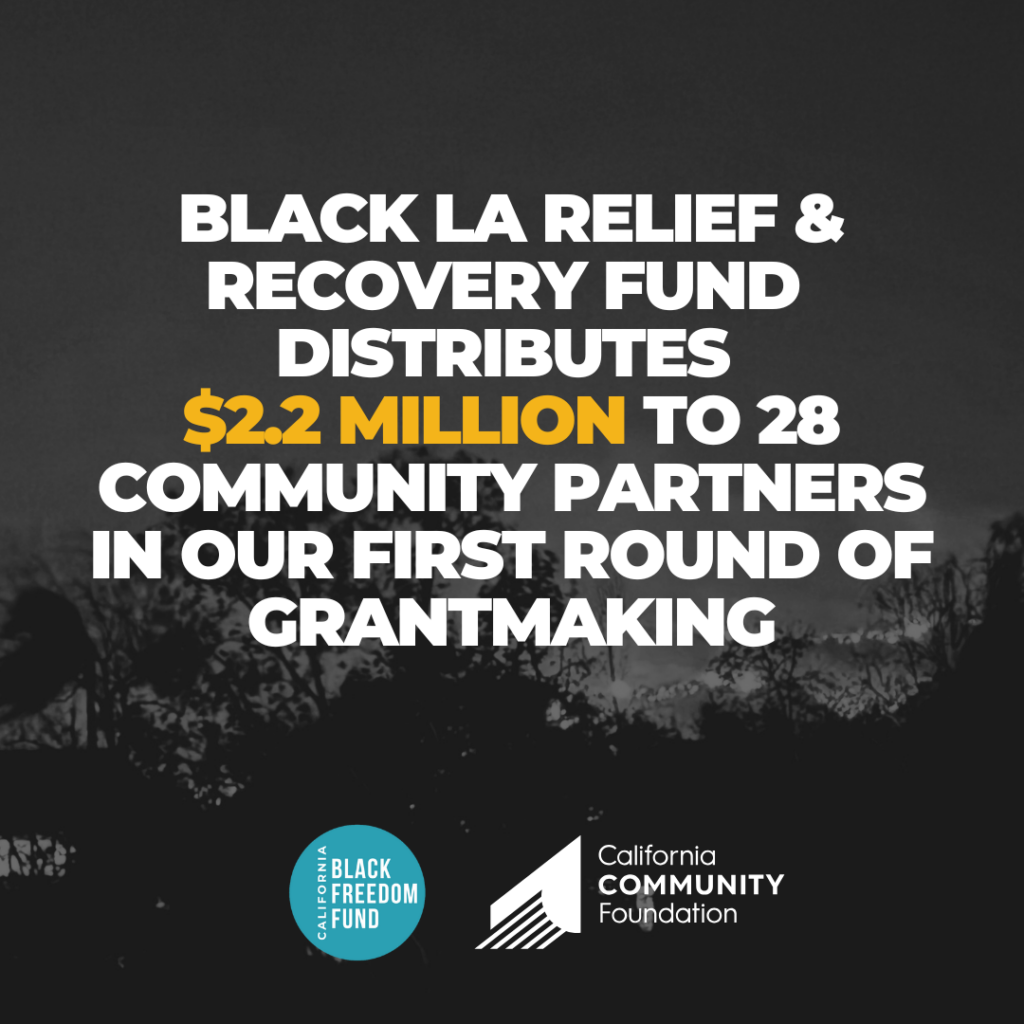
That’s why the Black LA Relief & Recovery Fund was created – to support communities impacted by the Eaton Fire in both the immediate aftermath and the long road ahead. For this story, Black Freedom Fund interviewed Jasmin Shupper, Founder and CEO of Greenline Housing Foundation, whose work sits at the intersection of disaster recovery, racial justice, and housing justice.
Closing the Racial Wealth Gap
Greenline Housing Foundation exists to close the racial wealth and homeownership gap created by generations of systemic racism in housing, including redlining, predatory lending, and disinvestment.
Greenline advances this mission through three core areas of work:
- Homeownership access, including down payment assistance for first-time buyers who are less likely to receive intergenerational financial support.
- Homeownership preservation through estate planning, legal services, and home maintenance grants that protect families from displacement and speculative investors.
- Financial education, offered as a free community resource and embedded in Greenline’s grantmaking model.
More at Stake Than Homes

Altadena is unique. Prior to the fire, Black homeownership in the community was double the national average, driven in part by legacy homes passed down through generations. As Jasmin explains, that meant the fire put more than buildings at risk. Legacies, accumulated wealth, and the ability for Black families to remain rooted in the community they helped build were all at stake.
Without intentional intervention, natural disasters often accelerate displacement. Families leave temporarily to rebuild and never return. In a community like Altadena, where so many households hold generational property,
that risk is especially acute.
When the Eaton Fire hit, those same structural inequities shaped who was most impacted. Although Black residents make up just 18% of Altadena’s population, 61% of Black households were located within the fire zone – a direct result of redlining and residential segregation that concentrated Black families in higher-risk areas.
Rebuild, Restore, Remain
In response, Greenline launched Rebuild, Restore, Remain – a two-phase, four-part relief and recovery effort grounded in an understanding of pre-existing inequities and designed to interrupt displacement before it becomes permanent.
Key components include:
- Interim Housing Stability
Greenline supports homeowners in locating and securing long-term temporary housing in or near Altadena, subsidizing rent for up to one year or $40,000. To overcome barriers such as credit or income requirements, Greenline uses an innovative corporate lease model that removes the qualification burden from survivors themselves. - Rebuilding Assistance Grants
With FEMA and insurance payouts often falling far short of actual rebuilding costs, Greenline offers rebuilding assistance grants of up to $250,000 per family – helping ensure families can rebuild without taking on unsustainable debt or losing hard-earned equity. - Land Banking and Community Preservation
Greenline is also purchasing lots from families who choose not to rebuild, removing land from the speculative market and holding it for community-centered redevelopment. This strategy lays the groundwork for long-term affordability, small business restoration, and collective ownership models that prioritize community values over profit.
What Recovery Looks Like for Families
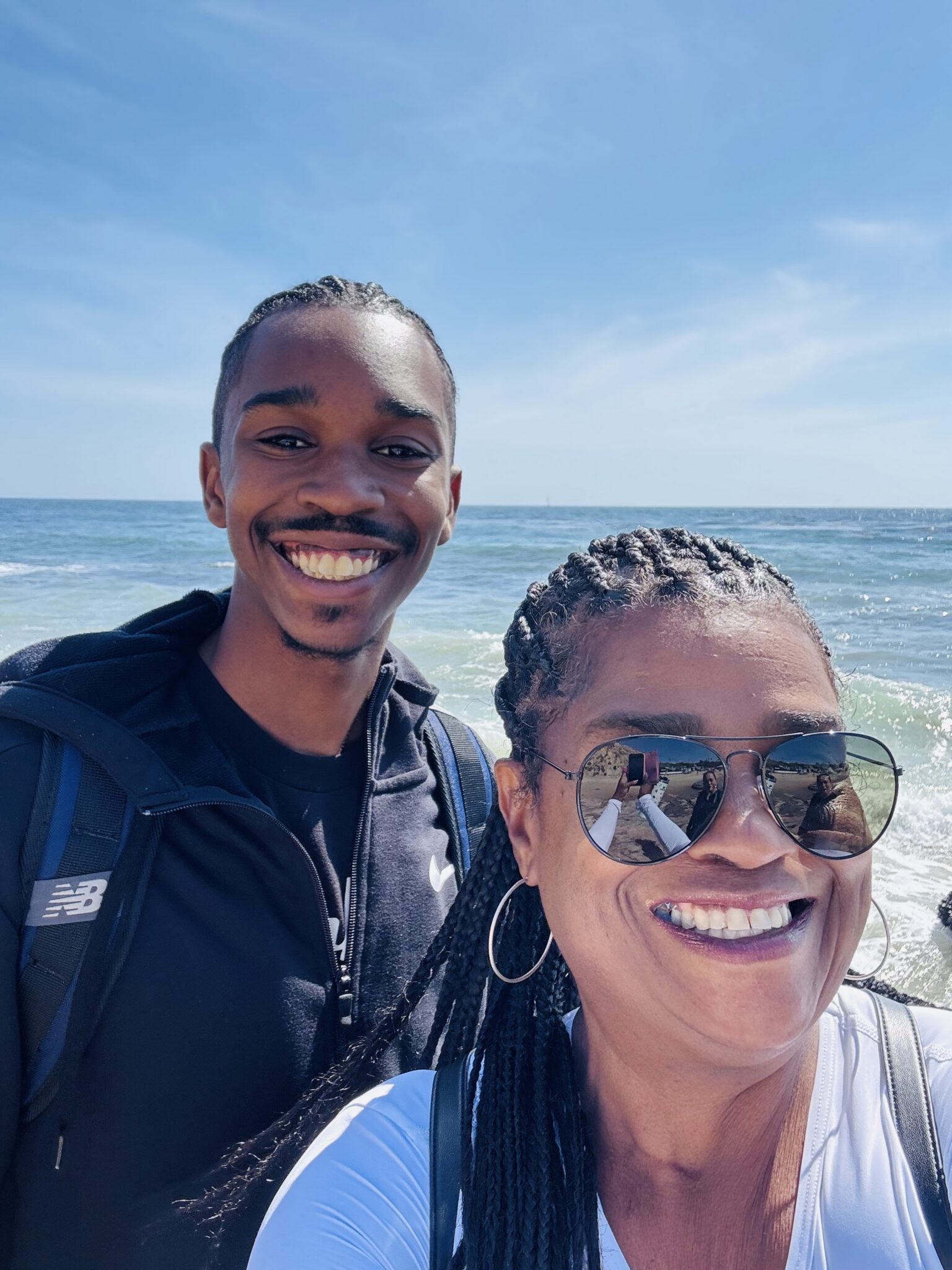
For families impacted by the Eaton Fire, recovery is about stability, dignity, and the ability to remain connected to community.
“I’ve lived in Altadena my whole life, along with my parents, six siblings, and all of our extended family. Altadena was more than just a town to us — it was our village, our community, our family. When the fire hit, everything changed.
Early on after the fire, I met Jasmin from Greenline. Since then, their team has been amazing, responsive, and genuinely committed to helping us recover. Greenline’s long-term temporary housing and rental assistance gave me a stable place to stay and allowed me to breathe — so I could focus on the difficult task of rebuilding.
We’re pushing forward to rebuild our family home, to carry on the legacy and bring our family back together under one roof.”
— Kimberley, Altadena resident and Greenline-supported homeowner
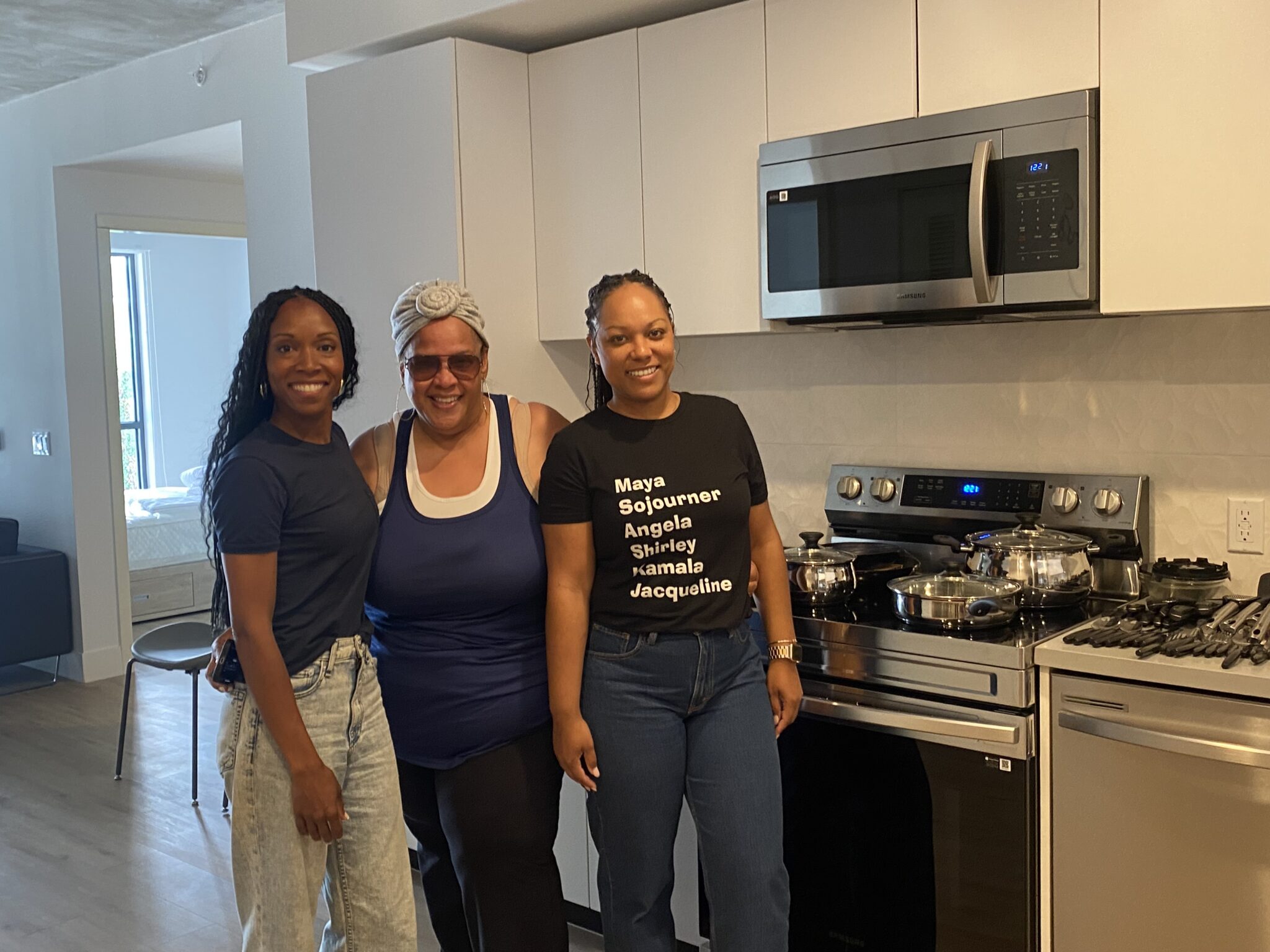
Another resident shared how critical stability was after months of upheaval:
“When the fire destroyed our home, I had only lived in two other houses my entire life. After the fire, I had to relocate more than 15 times in three months. Greenline gave me an opportunity to gather myself and finally have a sense of security and stability. Their help has been more than I can put into words.”
— Dana B, Altadena resident and Greenline-supported homeowner
These stories reflect what’s possible when recovery efforts are designed to center people, protect the community, and prevent displacement.
A Vision Beyond Restoration
Looking ahead five to ten years, Jasmin envisions an Altadena that does more than return to what existed before the fire. The goal is not simply restoration, but transformation – addressing long-standing housing inequities while preserving what has long made the community distinct: homeownership for diverse families, mixed-income neighborhoods, and thriving small businesses.
With sustained investment in community-driven recovery, Altadena has the opportunity to protect housing, strengthen community stability, and preserve the rich cultural fabric that defines the community.
Share